CitySenZ
CA23145
CitySenZ
CA23145
Architectural and Urban Ambiances of European Cities
Conference Series of Cost Action CA23145
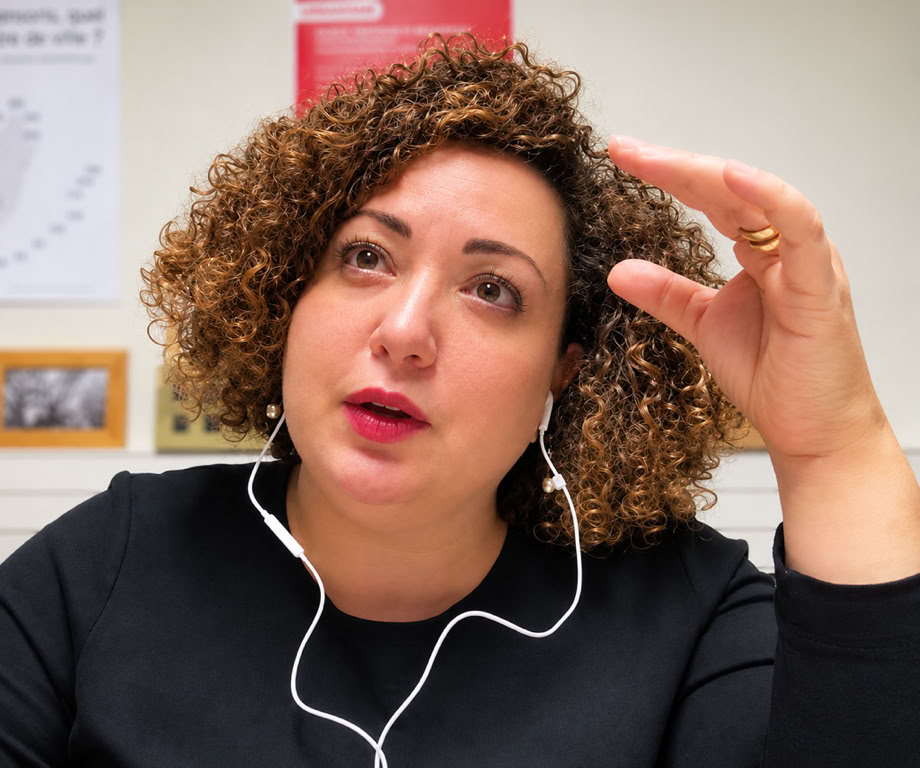
THÉA MANOLA
Keynote Speaker
Designing with the sensible: rethinking urban practices in times of ecological transformation
On the morning of Dec 1
Ecological transformations are often approached through technical frameworks, environmental indicators, and performance targets. While essential, these approaches do not always capture the diversity of ways in which environments are experienced, inhabited, and transformed. The sensible - understood as sensory experience, personal sensibility, and attentiveness to places and beings - is increasingly recognised in academic research as a form of situated knowledge. It may also help bring contemporary, particularly ecological, challenges onto the public policy agenda by fostering awareness and reshaping how they are understood and addressed. Yet the practical realities of urban development and design often challenge this ambition. Institutional, regulatory, and operational frameworks, despite their legitimate purposes, do not always lend themselves to translating the sensible into actionable principles. Moreover, macroeconomic, political, and technical rationalities, often driven by performance imperatives, can hinder its integration into urban projects. Nevertheless, urban practitioners and other stakeholders continue to seek ways of incorporating the sensible into the production of urban environments. We propose to explore how the sensible can contribute to a situated understanding of ecological transformations and become a resource for shaping environments. Making the sensible operational in urban planning and design raises methodological, institutional, and political questions. How can it be documented and translated into knowledge that informs project design? Which forms of sensibility are recognised? How can divergent expectations, ecological imperatives, and operational constraints be negotiated? What if the challenge is not simply to develop a sensitive approach to projects, but rather to design with the sensible—acknowledging the plurality of experiences, making conflicts and trade-offs explicit, and developing situated and revisable forms of decision-making?
THÉA MANOLA has a background in architecture and urban planning. She is currently Associate Professor at the Grenoble School of Architecture (ENSAG-UGA), Director of CRESSON research team and co-leads the AUEP (Architecture, Urban Planning and Political Studies) interdisciplinary programme. Her research explores the relationships between sensory experiences and approaches, politics, and the transformation of inhabited territories. She is also actively involved in research concerning innovative architectural education, and the evolution of professional practices in urban planning and design.
hori - zonte
Keynote Speakers
Climate as Design Intelligence: Reconnecting Architecture, Place and Ambiance
On the Morning of Dec 2
How can climate become a driving force in architectural design rather than a technical constraint? This paper explores how architecture can reconnect environmental performance, territorial specificity and lived experience. Drawing on architectural theory, vernacular knowledge and the design methodology developed by the Portuguese practice hori-zonte, it examines how climatic and territorial analysis, solar exposure, natural ventilation, adaptive comfort, carbon assessment and environmental simulations can inform design from its earliest stages. The paper introduces Climaticism as a conceptual framework that positions climate as design intelligence, bringing measurable environmental conditions into dialogue with sensory perception and ambiance. It advocates an architecture that moves beyond universal solutions to develop context-sensitive responses to the places it inhabits.
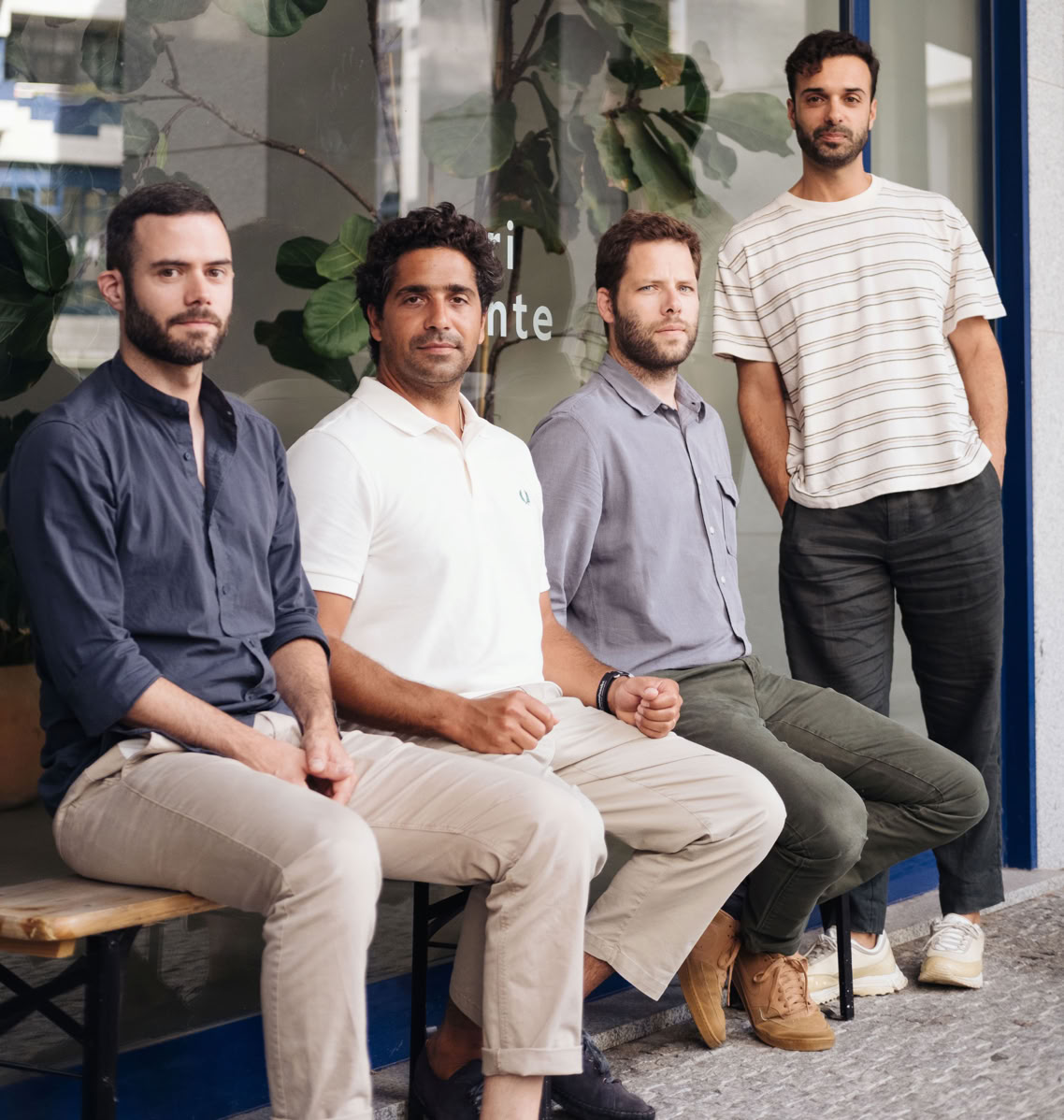
HORO-ZONTE is an Architecture firm with a diverse portfolio primarily focused on housing, urban design, and public projects. Aligned with the United Nations Sustainable Development Goals (SDGs), the EU Taxonomy, and the Net Zero strategy, the studio designs with a core emphasis on sustainability, aiming to reduce carbon footprint across the entire lifecycle of its projects. Its methodology incorporates and adapts a range of bioclimatic studies and digital technologies to ensure precision, efficiency, and innovation in every work.
Founded in 2021 by four architects, Diogo Teixeira, Frederico Roeber, João Castelo Branco, and André Sanches Pinto, hori-zonte is based in Porto, Portugal, with an additional office in Lisbon. The practice has established a presence in the architectural landscape through multiple awards and distinctions, including three nominations for the 40 Under 40.
Additionally, to support its practice, the team is developing a Research Department to foster multidisciplinary collaboration among Architecture, industry, academia, and other stakeholders.
GET IN TOUCH







COST (European Cooperation in Science and Technology) is a funding agency for research and innovation networks. Our Actions help connect research initiatives across Europe and enable scientists to grow their ideas by sharing them with their peers. This boosts their research, career and innovation.